A1 Miami Beach Locksmiths Service Team
Local locksmith team
Jul 10, 2026 12 min read
If you live on Miami Beach — whether in a Collins Avenue condo, a Sunset Islands bungalow, or a short-term rental near Ocean Drive — your door hardware works against forces that most locksmiths outside South Florida rarely think about: salt air that accelerates corrosion, humidity that swells wood frames, and the constant cycle of sun expansion and cool-night contraction that slowly destroys cheap lock mechanisms. Choosing between a mortise lock and a door knob lock is not just a matter of style or budget. It is a decision that determines how long your hardware lasts, how secure your home or unit actually is, and how easy it will be to rekey or upgrade when your tenant roster or key control needs change.
This guide breaks down both lock types honestly — what each one is built for, where each one fails in coastal conditions, and which scenarios call for a professional locksmith to step in for installation, rekeying, or an emergency lockout. If you have questions specific to your property after reading, our team is available around the clock at (305) 203-5456.
## What Is a Mortise Lock and Why Does It Matter on Miami Beach Doors?
A mortise lock is a lock body that is set into a deep rectangular pocket — the mortise — cut directly into the edge of the door. Unlike surface-mounted hardware, the entire mechanism lives inside the door itself: the latch, the deadbolt, the chassis, the cylinder, and often a lever or handle trim all come together as one integrated mortise lock set. The result is a lock that is mechanically stronger, more resistant to forced entry, and significantly more durable under repeated use than anything bolted onto the face of a door. If you have ever pushed open a heavy entry door at a South Beach hotel or a Collins Avenue residential tower and felt the smooth, solid action of the handle — that was almost certainly a mortise lock at work.
For Miami Beach properties specifically, the mortise format has a distinct structural advantage: because the hardware is recessed into the door, less raw metal is exposed directly to salt-laden air. Coastal oxidation is relentless, and the deep-set design of a quality mortise lock set — especially one built with marine-grade or stainless steel components — gives it a meaningful lifespan advantage over exposed cylindrical hardware. Multi-unit buildings, condo associations, and landlords managing short-term rentals on the Beach who need consistent key control across multiple doors often find that standardizing on mortise hardware makes rekeying, master-keying, and access management dramatically simpler over time.
## Door Knob Lock Basics: Where the Cylindrical Format Works and Where It Falls Short
A door knob lock — also called a knob lock or cylindrical lock — mounts through a circular bore in the door face. The spring latch and lock cylinder sit inside the knob itself, which is why these units install quickly and cost less upfront. For interior bedroom and bathroom doors, a door knob with lock is often perfectly adequate. For a side gate, a laundry room, or a secondary entry that sees low traffic, a quality door knob with lock and key setup can serve well for years.
The honest limitation of knob lock hardware in the Miami Beach environment is exposure. The cylinder face, the rose plate, the spindle, and the knob body all sit in open air — and in a coastal climate that means accelerated pitting, stiffening, and eventual failure of the cylinder pins. Cheaper cylindrical sets can become difficult to turn within 18 to 24 months near the water. Beyond corrosion, cylindrical knob locks are also structurally weaker at the door edge: a determined intruder can defeat many knob-only setups with direct force to the knob body, because the lock mechanism is not anchored into the door the way a mortise unit is. For any primary exterior entry on a Miami Beach home or rental unit, a standalone door knob lock should at minimum be paired with a heavy-duty deadbolt — or replaced with a mortise lock set that combines both functions in one reinforced housing.
## Key Control for Condos, Rental Communities, and Miami Beach Properties With Multiple Units
Key control is one of the most overlooked — and most important — considerations for anyone managing more than one door in a Miami Beach building or rental community. When a tenant leaves, a cleaning crew rotates, or a short-term guest checks out, every key that was issued becomes a potential security gap. A mortise lock system that is part of a master-key or restricted keyway program gives property managers the ability to rekey specific units without disrupting the rest of the building, issue keys that cannot be duplicated at a hardware store, and maintain a documented chain of custody for every key in the system.
Cylindrical door knob lock setups can also be rekeyed, but they generally do not integrate into sophisticated master-key hierarchies as cleanly as mortise hardware does. For a single-family home, that difference is minor. For a condo association on Alton Road or a vacation rental portfolio spread across several Miami Beach neighborhoods, the gap in key system flexibility is significant. Our team works with property managers and condo boards to design and install key systems that are built to secure your people and property — not just the front door.
If you are managing a multi-unit property and are not sure whether your current door hardware supports the key control structure you need, call us at (305) 203-5456 and we can assess your setup and walk you through your options before you commit to any hardware.
## How a Locksmith Handles Mortise Lock Installation, Rekeying, and Emergency Lockouts
Installing a mortise lock is not a straightforward DIY project. The mortise pocket must be chiseled or routed to exact dimensions, the faceplate and strike plate must align precisely with the door frame, and the cylinder must be set at the correct depth to ensure the cam engages properly. A misaligned mortise lock set will bind, fail to latch, or wear out prematurely — problems that are expensive to undo after the fact. A trained locksmith with experience in commercial and residential door hardware will measure, cut, fit, and test the installation so the lock operates correctly from day one and holds up over the long haul.
Emergency lockouts on properties with mortise hardware require a different skill set than working with a standard cylindrical knob lock. Because the mechanism is embedded in the door, improvised entry attempts that might work on a simple knob lock are far less likely to succeed — and far more likely to cause damage — on a properly installed mortise unit. If you are locked out of a Miami Beach property that has mortise hardware, the safest step is always to check for a spare key held by a neighbor, building manager, or trusted contact first. If no spare is available, a qualified locksmith can open the door using professional techniques that do not damage the lock or the door, verify ownership, and get you back inside without turning a lockout into a repair bill. Our mobile team covers Miami Beach around the clock — call (305) 203-5456 and we will be on the way.
## Door Hardware Longevity: Choosing and Maintaining Locks in a Coastal Climate
Regardless of which lock type you choose, material selection matters more in Miami Beach than almost anywhere else in the country. For mortise hardware, look for cylinders and bodies rated for coastal or marine environments — satin nickel, stainless steel, and solid brass all resist salt-air corrosion significantly better than standard chrome or painted zinc finishes. For cylindrical knob locks, the same principle applies: the finish is your first line of defense against the humidity and salt that will work on your hardware every single day.
Maintenance habits extend lock life considerably. A light application of a dry or silicone-based lubricant to the cylinder twice a year prevents pin stack corrosion from stiffening the key action. Strike plates and hinges deserve the same attention — a door that binds in its frame puts additional stress on the latch and lock bolt with every use. When a lock starts to feel gritty, slow, or inconsistent, that is the time to call a locksmith for service, not after it fails completely. Proactive hardware care is almost always less disruptive and less involved than an emergency call prompted by a lock that has seized entirely.
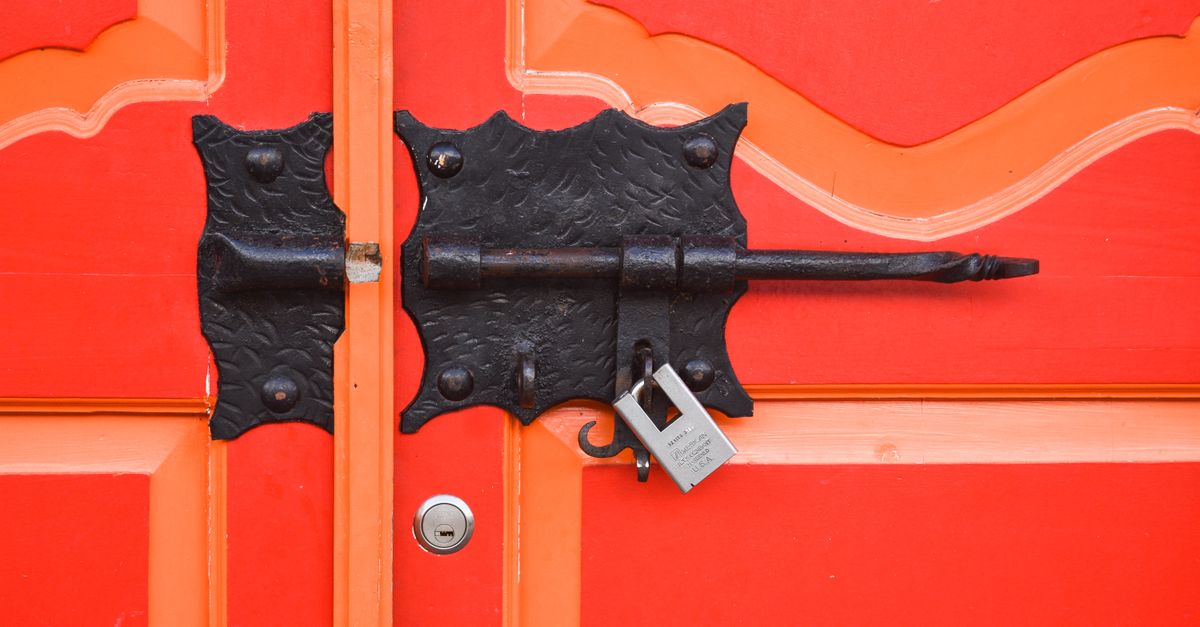
Our team installs and services a wide range of door hardware across Miami Beach properties, including: mortise lock sets for residential and commercial entries, cylindrical knob lock and lever installation, deadbolt installation and upgrading, high-security cylinder replacements (including Medeco, Mul-T-Lock, and ASSA Abloy cylinders), master key system design and implementation, restricted keyway systems for condo and rental properties, rekeying after tenant turnover, rekeying after lost or unaccounted-for keys, lock repairs for seized or damaged mechanisms, storm door and impact door lock installation, sliding glass door lock and bar upgrades, electronic and smart lock installation, keypad lock installation, access control system integration, key duplication for authorized keyholders, mailbox lock replacement, cabinet lock installation, padlock and hasp installation, garage entry door lock upgrades, gate lock installation for pool and perimeter access, safe installation and combination changes, car lockout response, automotive key cutting and programming, transponder key replacement, broken key extraction from cylinders, and 24/7 emergency lockout response across Miami Beach and surrounding areas.
## What Does It Cost to Hire a Locksmith in Miami Beach?
Questions like 'what is the average cost of hiring a locksmith in Miami Beach,' 'how much does a local locksmith charge,' and 'how much does an emergency locksmith cost near me' are genuinely common — and the honest answer is that locksmith pricing depends on several real variables that cannot be collapsed into a single flat number. The type of lock involved (a mortise lock set installation is more involved than rekeying a cylindrical knob lock), the time of day (emergency calls outside standard hours involve different resource commitments), travel distance to your location, and any parts or hardware required all factor into the final figure.
Florida does not cap locksmith service fees by statute, so rates vary across the market. What we commit to is transparency: before any work begins, we confirm an exact price with you so there are no surprises when the job is done. If you are weighing the cost of a mortise lock installation against a cylindrical lock upgrade, or wondering what an emergency lockout call will involve, the most direct path to an accurate number is a quick call to our team. We will ask the right questions and give you a clear quote upfront. How much does a locksmith cost in Florida, or what does an emergency locksmith cost — those questions are best answered for your specific situation, not by a generic estimate that may not reflect what your job actually requires.
Frequently asked questions
What is a mortise lock, and is it worth the upgrade for my Miami Beach home?+
A mortise lock is a lock assembly that is set into a pocket cut into the door edge, housing the latch, deadbolt, and cylinder in one integrated unit. For Miami Beach properties, it is generally worth the upgrade for any primary exterior entry: the recessed design exposes less hardware to salt air, the mechanism is structurally more robust against forced entry, and a mortise lock set integrates more cleanly into master-key and key control systems — which matters especially for condos and rental units where tenant turnover creates ongoing key management challenges.
What locks can locksmiths not open?+
A skilled locksmith can open the vast majority of residential and commercial locks through professional non-destructive techniques, including most mortise lock sets, cylindrical knob locks, deadbolts, and padlocks. Certain ultra-high-security locks — such as those with hardened anti-drill plates, multiple anti-pick pin configurations, and restricted keyways — may require destructive entry as a last resort, meaning the lock itself is damaged in the process of opening the door. In those cases, the locksmith will typically replace the lock immediately after. If you are locked out, always verify ownership with the technician and ask about the likely method before work begins.
Can I pick a door knob lock myself if I am locked out?+
We do not recommend attempting to pick or bypass your own door knob lock without professional training and the proper tools. Improvised attempts frequently damage the cylinder pins, the plug, or the door hardware itself — turning a simple lockout into a lock replacement job. The safest first steps are checking for a spare key with a neighbor or building manager, seeing whether another entry point is accessible, or calling a professional locksmith who can open the door cleanly, verify that you are the rightful occupant, and have you back inside without adding damage to the situation. Our team is available 24/7 at (305) 203-5456.
How do I know whether my Miami Beach rental property needs a mortise lock or a cylindrical knob lock?+
The best indicator is how the door is used and what key control demands you have. For a high-traffic primary entry on a multi-unit building or short-term rental — especially one that needs to fit into a master-key system — a mortise lock set is almost always the stronger long-term choice. For interior doors, secondary entries, or storage rooms where security demands are lower, a quality cylindrical door knob with lock and key can be entirely adequate. A professional locksmith can assess your current hardware, your door construction, and your key management needs and give you a specific recommendation for each door rather than a one-size answer.